
How to Beat FOMO in Forex Trading (Before It Breaches Your Account)
FOMO doesn’t just cost you a missed trade. It’s the emotional trigger behind most drawdown breaches. Here’s how to recognize it and stop it before it ends your challenge.

FOMO doesn’t just cost you a missed trade. It’s the emotional trigger behind most drawdown breaches. Here’s how to recognize it and stop it before it ends your challenge.
Passing a prop firm challenge takes most traders 3–6 months when you count retakes, verification, and payout processing. Here’s a realistic breakdown of what to expect at every stage.
One bad trade is a loss. Revenge trading turns it into a breach. Here’s how to catch yourself before the daily loss limit does it for you.
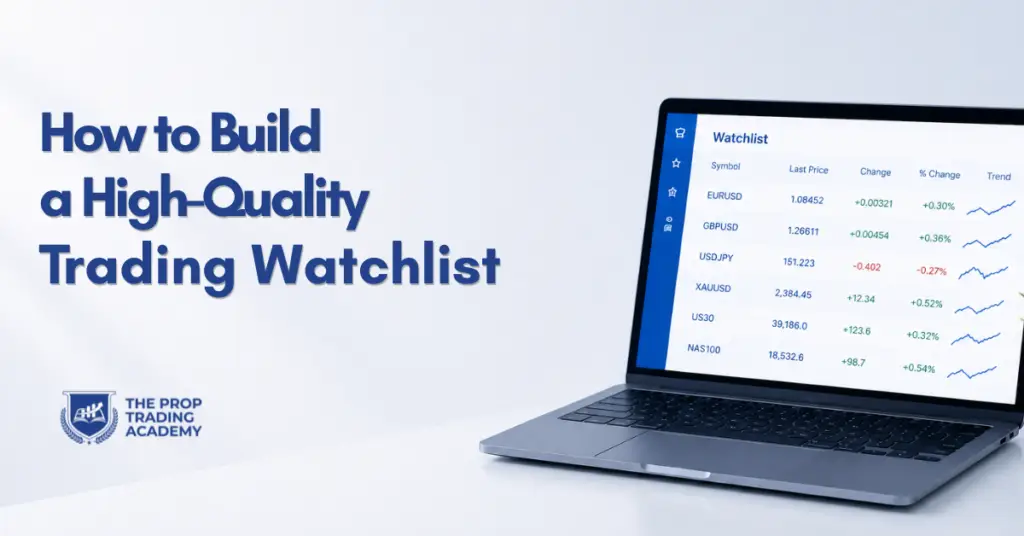
Most traders watch too many pairs and trade none of them well. This guide shows you how to build a tiered trading watchlist that matches your session, strategy, and prop firm rules, so you stop scanning and start executing.
Yes, beginners can join a prop firm. Most firms have no minimum experience requirement and no formal application beyond paying for a challenge. But eligibility isn’t readiness.
Overtrading isn’t a discipline problem you can just “try harder” at. It’s a predictable brain response to loss and boredom. Here’s what’s actually happening in your head when you take that extra trade, and the specific rule that stops it before it costs you an account.
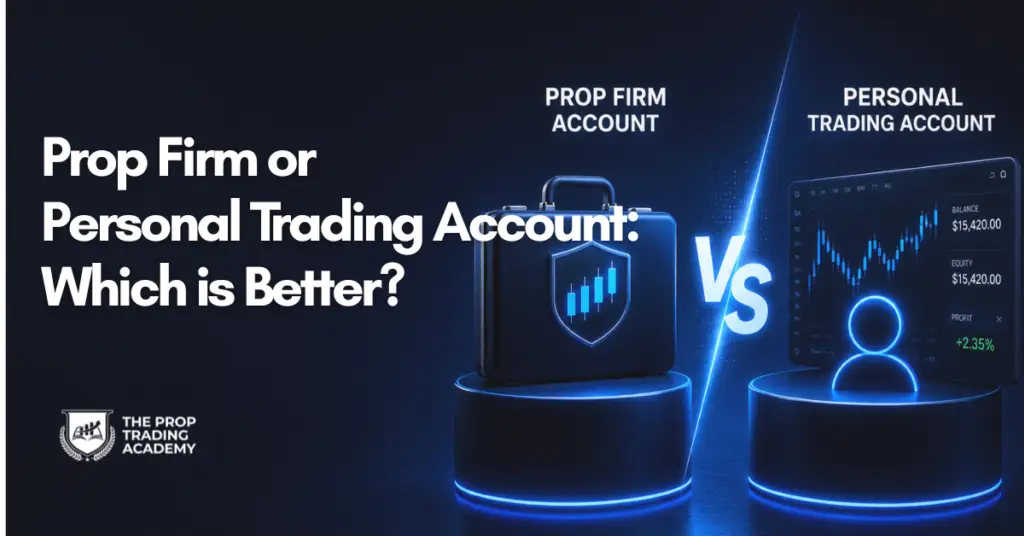
Should you trade with a prop firm’s capital or fund your own account? This guide compares the real costs, risks, and earning potential of both paths with specific numbers.
Trading psychology decides more outcomes than strategy. Learn the cognitive biases, emotional traps, and expert frameworks that separate funded traders from everyone else.
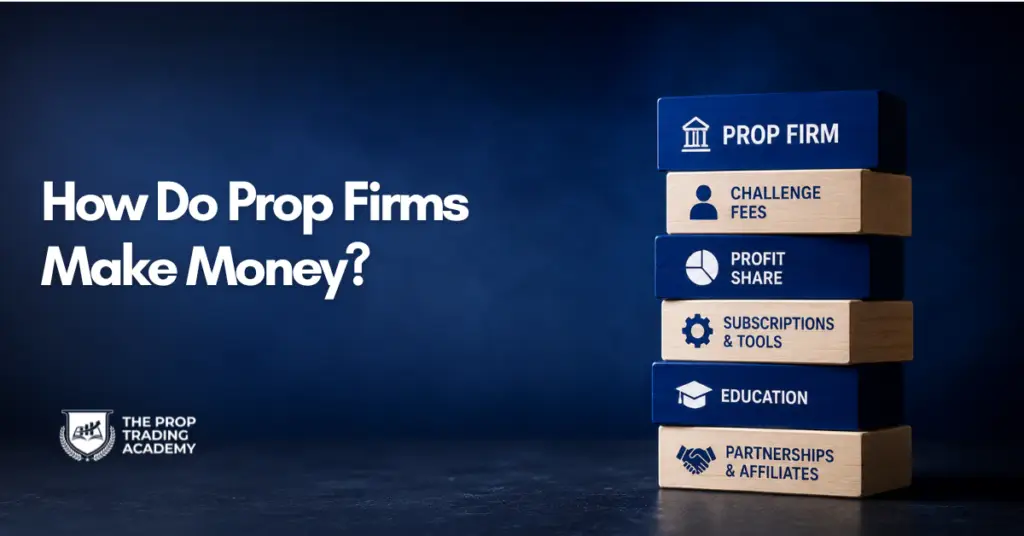
Ever wonder how a company can hand you $100K and still turn a profit? Here’s how prop firms actually make money — and why understanding their business model makes you a smarter funded trader.
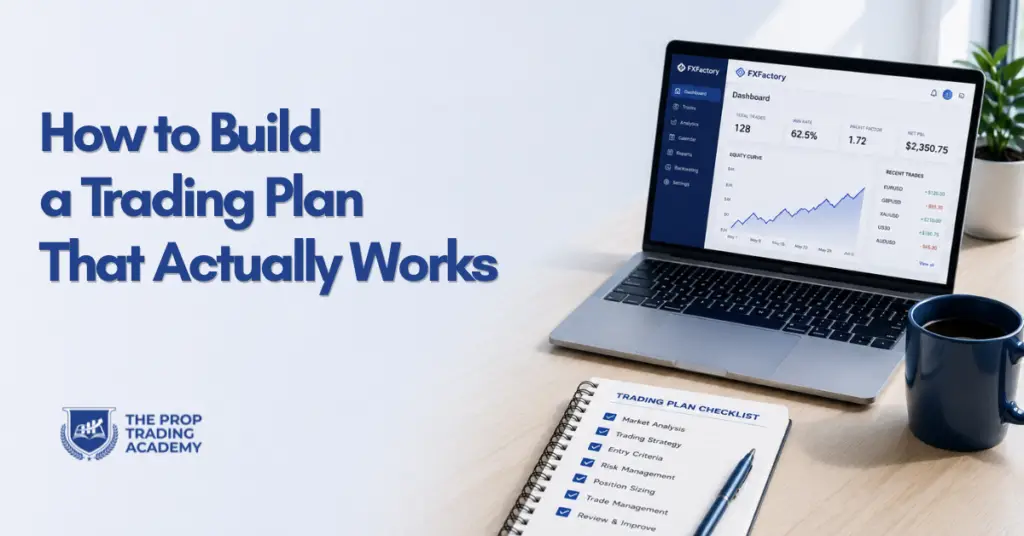
A trading plan is a written document that defines exactly how you trade, what pairs you watch, when you enter, how much you risk, and how you evaluate your performance. Without one, every decision becomes reactive. With one, your trading becomes a repeatable process instead of a series of improvised guesses.